Vanlife on Instagram vs reality
Vanlife photos on social media usually show spectacular views: a van parked by the ocean, morning coffee with a mountain view, and a laptop on a wooden table. What people rarely talk about is the less romantic side of traveling – the costs that appear along the way.
In reality, living in a van can be cheaper than traditional vacations, but only if you understand all the expenses that may arise. Below you’ll find an honest overview of costs that are often ignored in vanlife stories.
Vehicle maintenance and servicing
A van is still a vehicle, and vehicles require regular maintenance. The more you travel, the faster basic components wear out.
Most common maintenance costs
- Oil and filter changes – every 10–15 thousand km.
- Brake pads and discs – especially when driving in mountains.
- Tires – long trips can wear out a full set in one season.
- Suspension repairs – local roads are often in poor condition.
On average, people traveling intensively spend from several hundred to even several thousand euros per year on servicing.
Fuel – the biggest recurring expense
Even the most economical van usually consumes between 8 and 12 liters of fuel per 100 km. On long trips across Europe, this becomes a very real cost.
Example travel costs
| Route | Distance | Estimated fuel cost |
|---|---|---|
| Poland – Spain | 2500 km | €350–€600 |
| Alps road trip | 1200 km | €180–€300 |
| Norway road trip | 2000 km | €450–€800 |
Fuel prices in Europe can vary significantly depending on the country.
Campsites and infrastructure
Although many travelers enjoy wild camping, in reality you’ll occasionally need to use campsite infrastructure.
Typical fees
- Campsite stay: €15–€40 per night.
- Shower: €1–€3.
- Laundry: €4–€8.
- Waste disposal and water refill: €2–€10.
In countries like Switzerland or Norway these costs can be even higher.
Fines and local regulations
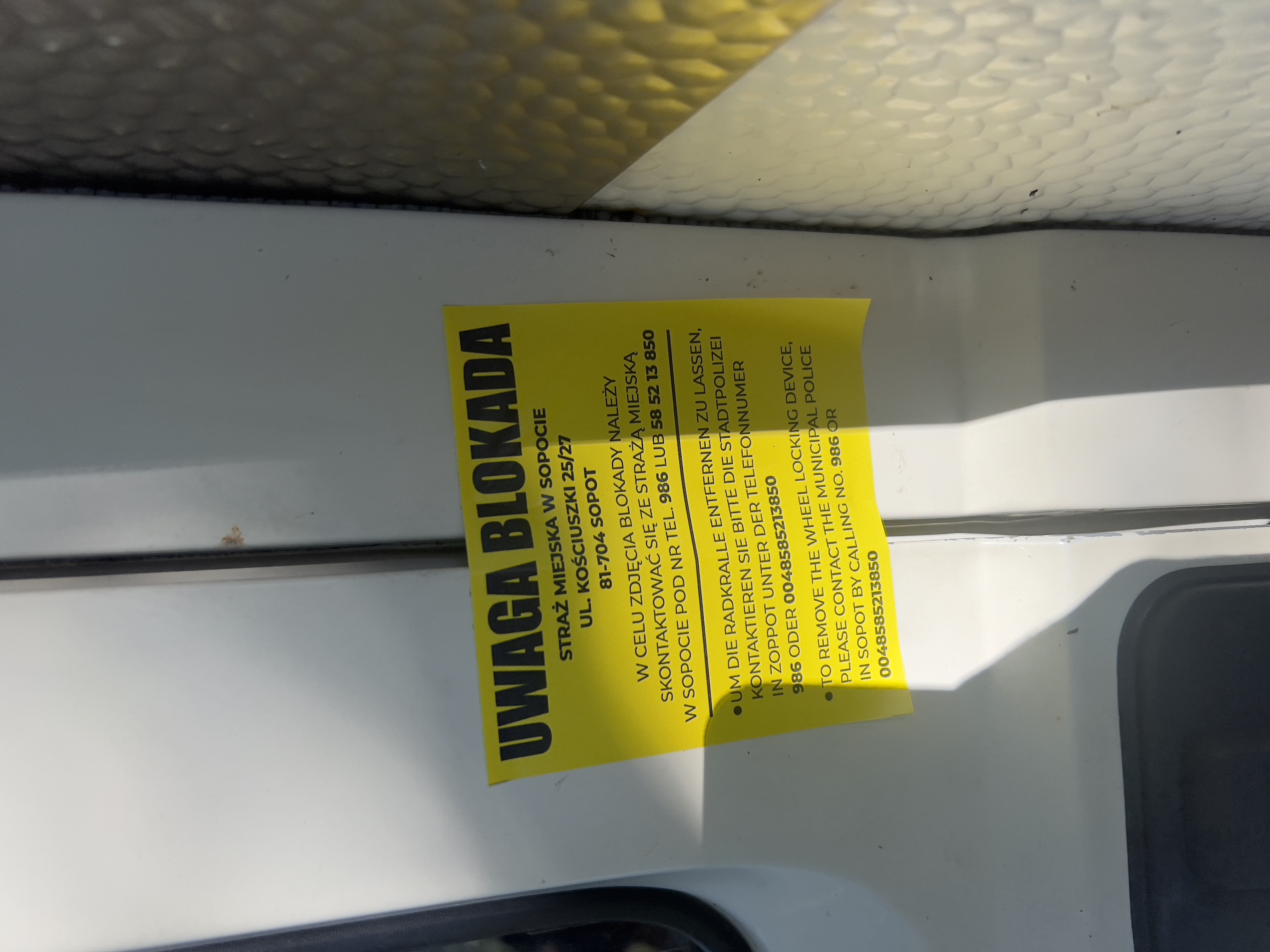
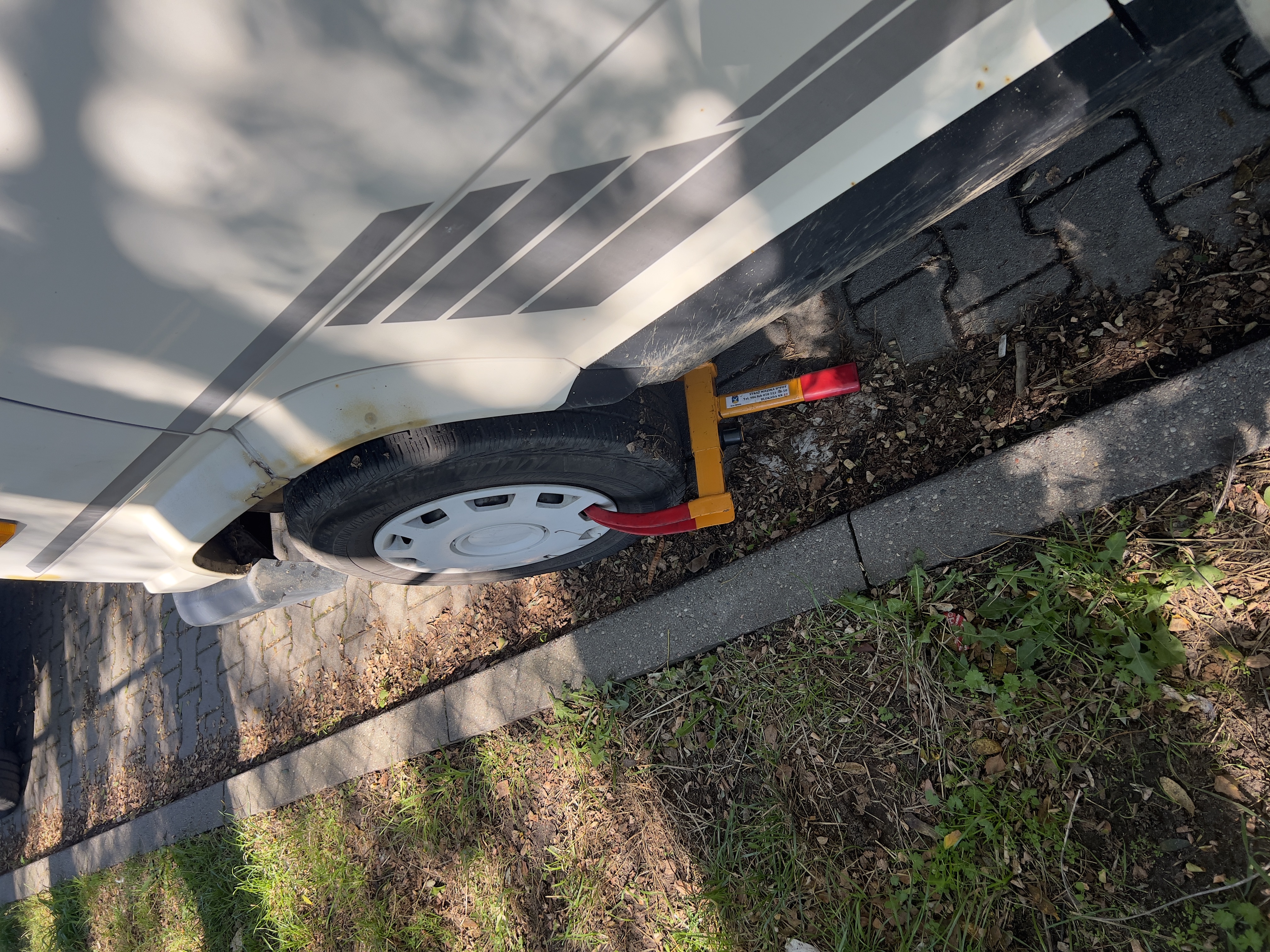
In many European countries sleeping in a van outside campsites is regulated by local laws. Sometimes a single careless stop can result in a fine.
Example penalties
| Country | Possible fine |
|---|---|
| Spain | €80–€200 |
| Portugal | €120–€600 |
| Italy | €100–€500 |
Before traveling, it’s worth checking local regulations regarding overnight parking.
Insurance and road tolls
Another cost category includes insurance and road fees. In some countries highways and tunnels can be expensive.
- Road vignettes (Austria, Switzerland, Czech Republic)
- Toll highways (France, Italy)
- Bridges and tunnels (Norway, Denmark)
During several months of travel these costs can easily reach several hundred euros.
Gear and equipment
Vanlife also often involves additional purchases. Equipment wears out and some items simply need replacement.
- Gas bottles
- Water filters
- Cooking accessories
- Outdoor gear
Small expenses can add up over time.
Planning your travel budget
The best way to avoid financial surprises is careful budgeting. It’s worth tracking fuel, accommodation and vehicle maintenance costs.
Travel apps can help organize routes and expenses. For example, Travel Planner App helps organize your trip plan, budget and packing lists.
During daily travel it’s also useful to have apps that help find parking spots and rest areas – such as Travel Rules.
Is vanlife really expensive?
Despite all the hidden costs, vanlife can still be cheaper than traditional travel with hotels and flights. The key is awareness of expenses and good planning.
The biggest value of vanlife, however, is something that cannot be calculated in money – the freedom to travel and explore the world on your own terms.